

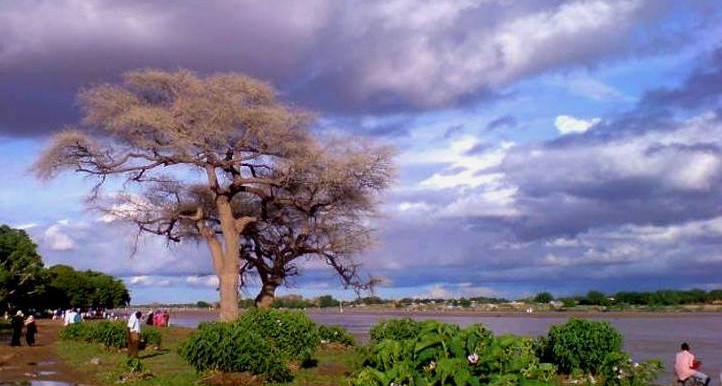
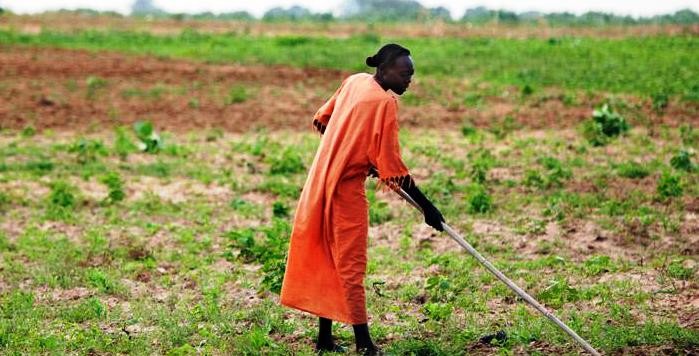
The Darfur region is amongst one of the most important regions in the Republic of Sudan. Its natural resource wealth – fertile soil, geographic location, and climate – makes it of utmost importance for the prosperity of the Sudanese economy. The region occupies around half a million acres, roughly 20% of Sudan, and holds abundant mineral and livestock resources. The climate of the region allows agriculture to depend entirely on rain. Both agriculture and livestock are the two main pillars of the region’s economic foundation.
Though it is historically old, Darfur is a young region, with an estimated population of 9.241 million, of which 52% are aged 16 years or younger. Most of the population (especially the youth) is observed in and around the state capitals due to the availability of services, such as schools, universities, hospitals and major markets, electricity and mobile coverage are also major factors that affect the population density in the region.
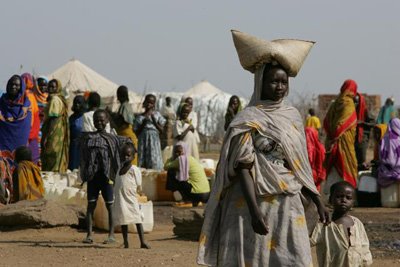
The Darfur conflict; the aftermath of more than a decade of civil war and tribal conflicts, the lack of basic infrastructure in large areas, and a reliance by much of the population on subsistence agriculture; ensure much of the youth population will remain at or below the poverty line for years despite rapid rises in average per capital income.
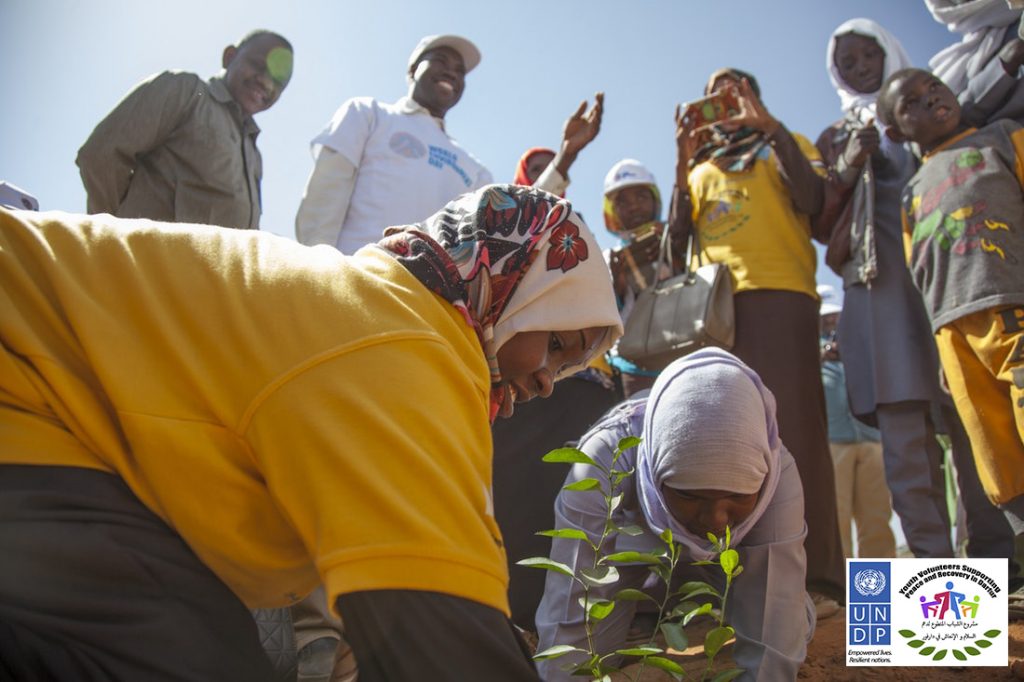
Since 2012, the United Nations Development Programme (UNDP) Sudan has been spearheading an innovative Youth empowerment project – The Youth Volunteers Supporting Peace and Recovery in Darfur (YoVoReD) which has now completed its fourth phase. The YoVoReD aims to strengthen capacities of conflict-affected youth in Darfur to access livelihood and developmental opportunities whilst empowering their own communities and playing active and leading roles in peace and recovery processes in the region.
In March 2019, UNDP through its flagship project YoVoReD, in collaboration with Volunteers for Development Organization (VDO) and in partnership with State Youth Volunteers Coordination Unit: State Ministries of Youth & Sports, Finance and Social Affairs, Peace Centers and local NGO’s (VNW, ERRADA, NIDO, CFCI and TDO) have all contributed to the design of business incubation activity that was developed to increased the Capacity of the Youth of Darfur to support peace and socio-economic recovery of conflict affected communities, in addition to improving through skill acquisition, entrepreneurship and competency building.
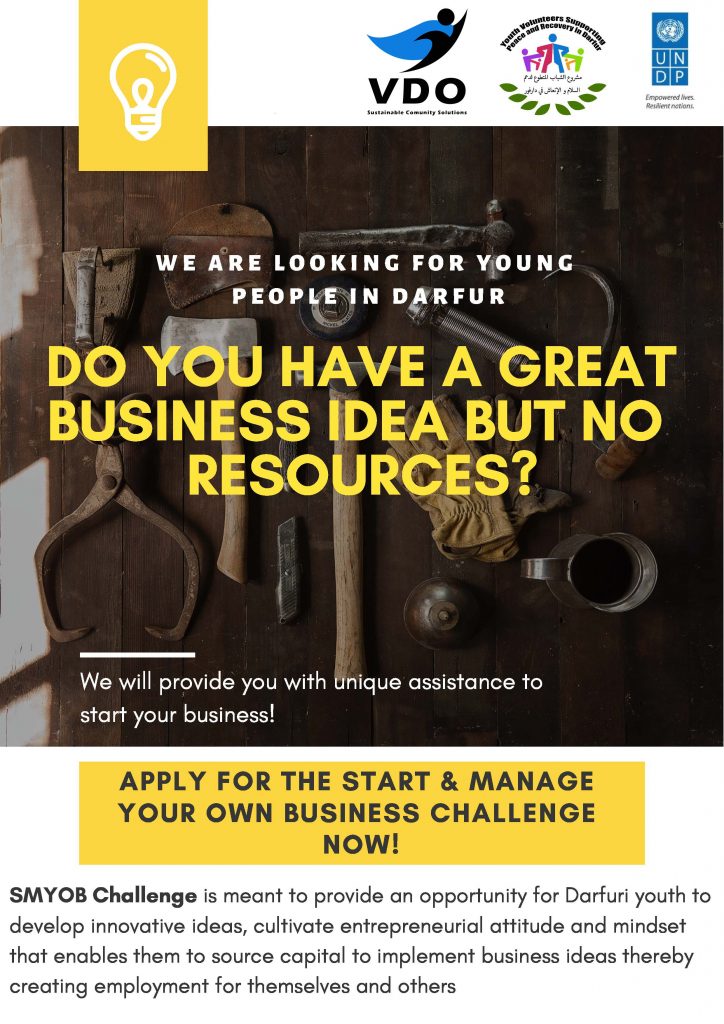
The challenge was promoted through a media and advertisement strategy using formal media platforms (Radio, TV and local newspapers), with the goal to reach wider audience to apply for the competition, educate and raise awareness about the project, familiarize and encourage the youth with the idea of creating, running businesses and social impact in addition to use the dissemination process and application form as tool to advocate for the Sustainable Development Goals.
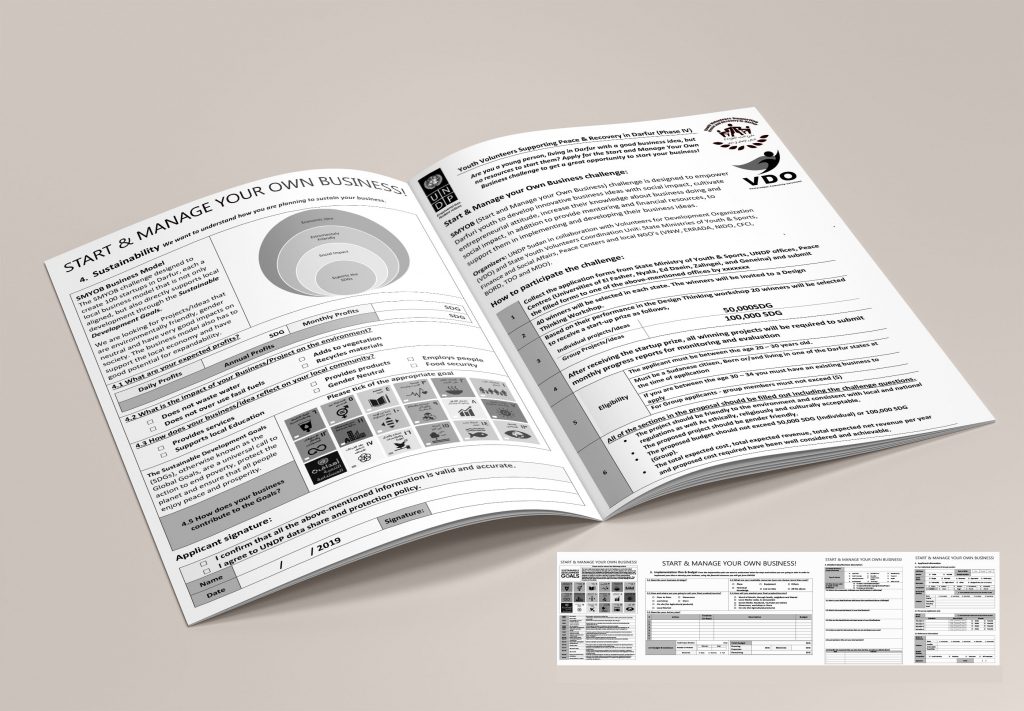
The first stage of the challenge involved applying though an application form that was distributed throughout all the Darfur localities, as applicants where required to answer specific questions about their project or idea, in the same time help them learn how their ideas can connect with local and global development through an SDG awareness component.
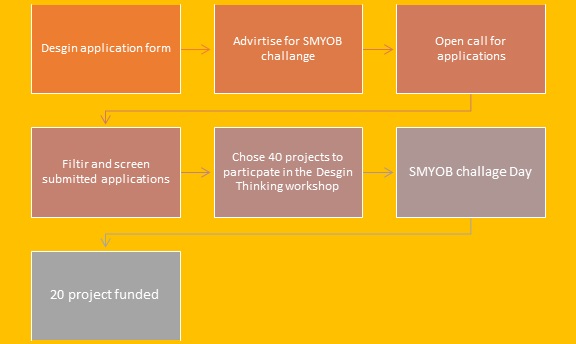
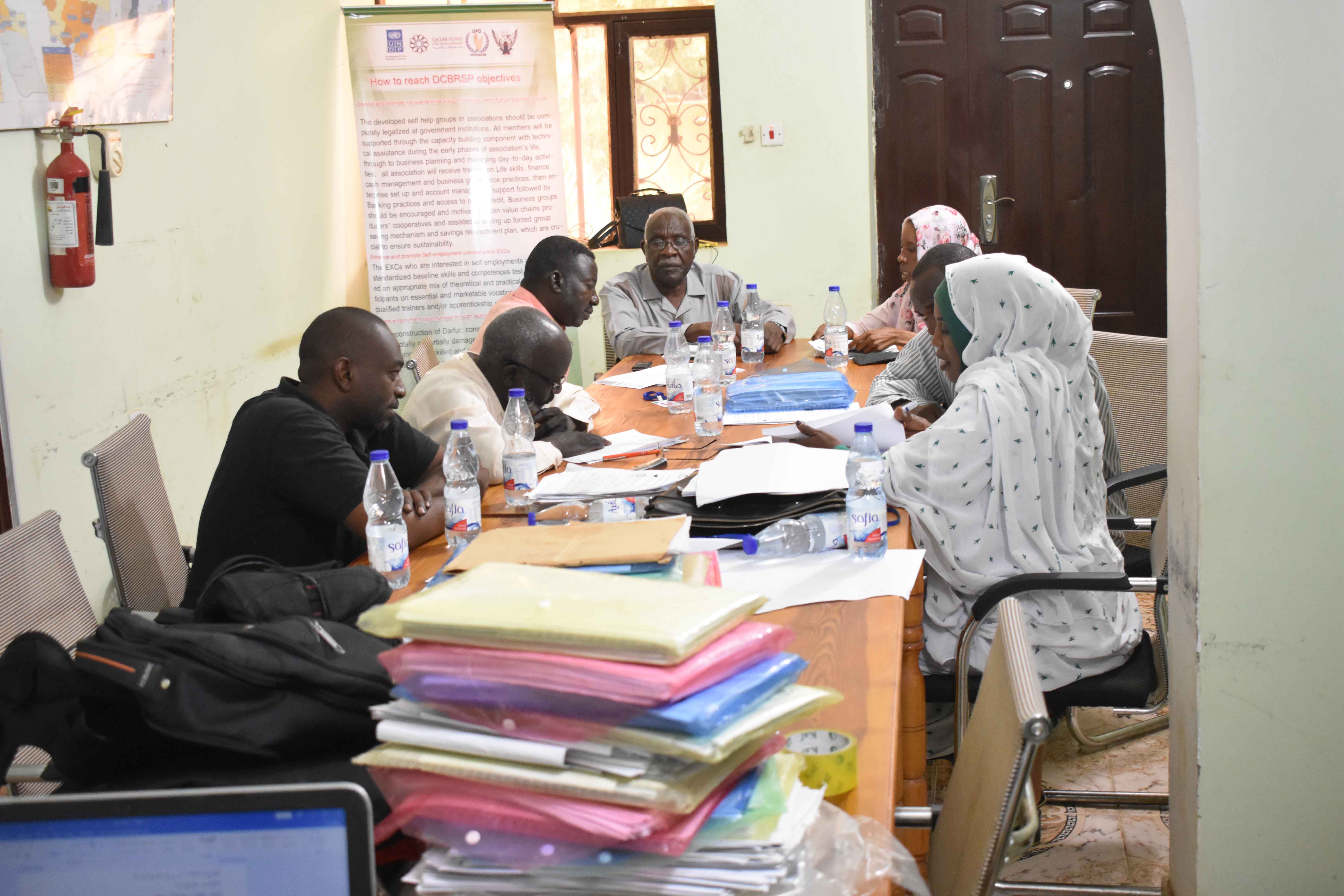
After the dissemination process in each state of the five Darfur states, a selection committee consisting of a representative from the finance ministry, Youth and Sport council, microfinance expert, the Humanitarian Aid Commission and UNDP personnel, worked on filtering over 5500 application forms (1100 per state) to select 40 winning projects to participate in the second stage of the challenge, the “design thinking” workshop.
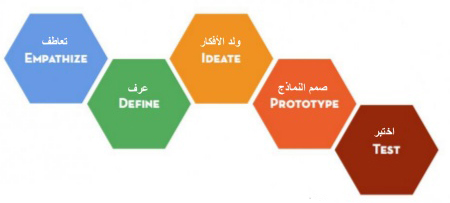
Design Thinking is an iterative process in which we seek to understand the user, challenge assumptions, and redefine problems in an attempt to identify alternative strategies and solutions that might not be instantly apparent with our initial level of understanding. At the same time, Design Thinking provides a solution-based approach to solving problems. It is a way of thinking and working as well as a collection of hands-on methods.
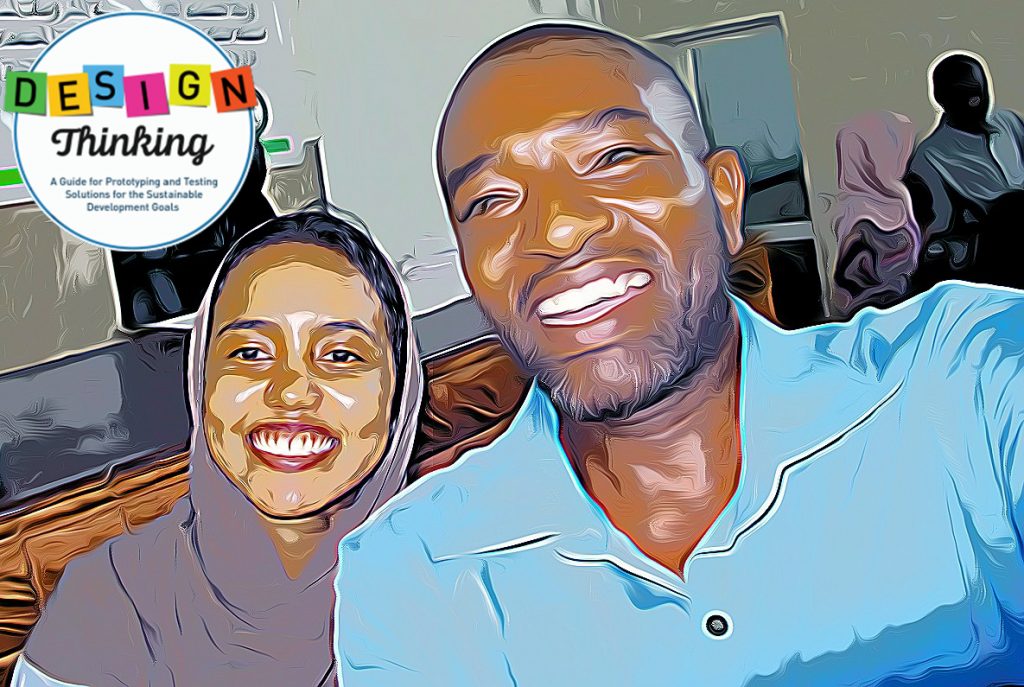
5 design Thinking workshops were conducted in the five state capitals, Al Fashir, Nyala, Zaleige, Al Genena and Ed Dein. Where just over 350 participants, representing 100 startups from all the localities around Darfur were invited to attend a three day design thinking workshop. The workshops were conducted by UNDP consultant Moneera yassin (a six year design thinking veteran) backed up by volunteers for development organization’s Project Manager Anwar Yahia, as they both collaborated together on the development and implementation of the challenge.
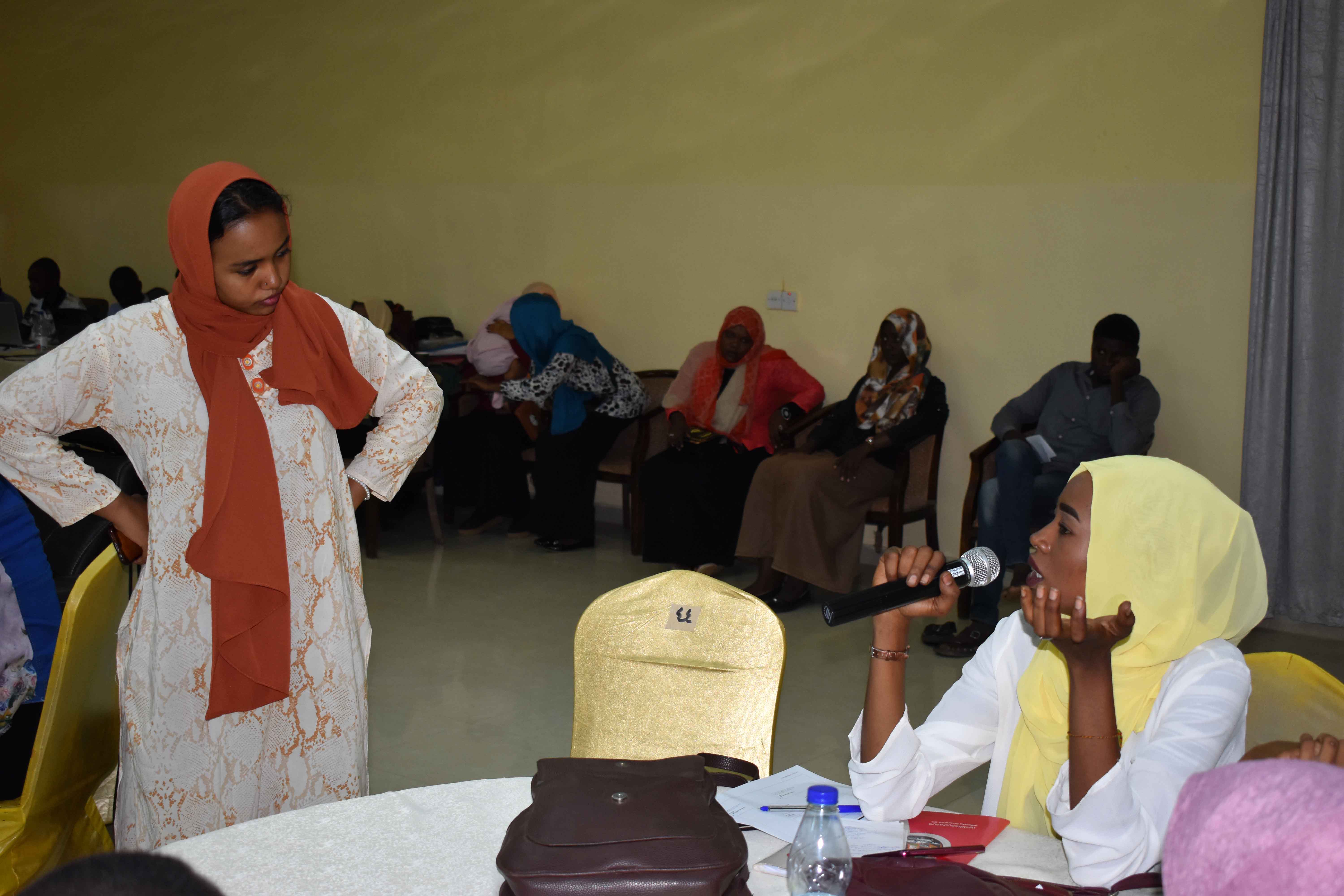
The workshop aims to give participants an opportunity to learn about design thinking, develop their projects and presentation skills as they were all required to pitch their ideas to selection panel, which chose winners by rating the project using a ranking sheet and based on the following criteria:
| Criteria | Grade |
| Social impact | 20 |
| Contribution to the SDGs | 10 |
| Innovation | 10 |
| Visibility | 20 |
| Feasibility | 20 |
| Motivation | 10 |
| Sustainability | 10 |
| Total | 100 |
On the challenge day, each participant would be given 5 minutes to present their project/idea (3 for presenting and 2 for questions). Based on their grades the winning projects would be selected to receive the challenge startup grant
Given the feed backs from participants and partners SMYOB is marked as a successful project. The participants were satisfied with the content provided and partners felt responsible to continue contributing and work hand by hand with the UNDP to guarantee the sustainability and continuity of the projects. SMYOB supported 91 projects (including 5 group projects) with financial resources, and trained 300+ young women and men on Design Thinking.