

The Armed conflict in Darfur, western Sudan that began in 2003 has had important indirect negative consequences on; infrastructure, public health provision, and social order. These indirect consequences were often overlooked and underappreciated due to the emergency status which obstructed enough of the national and international effort, adding to what is still considered one of the worst humanitarian situation in the world.
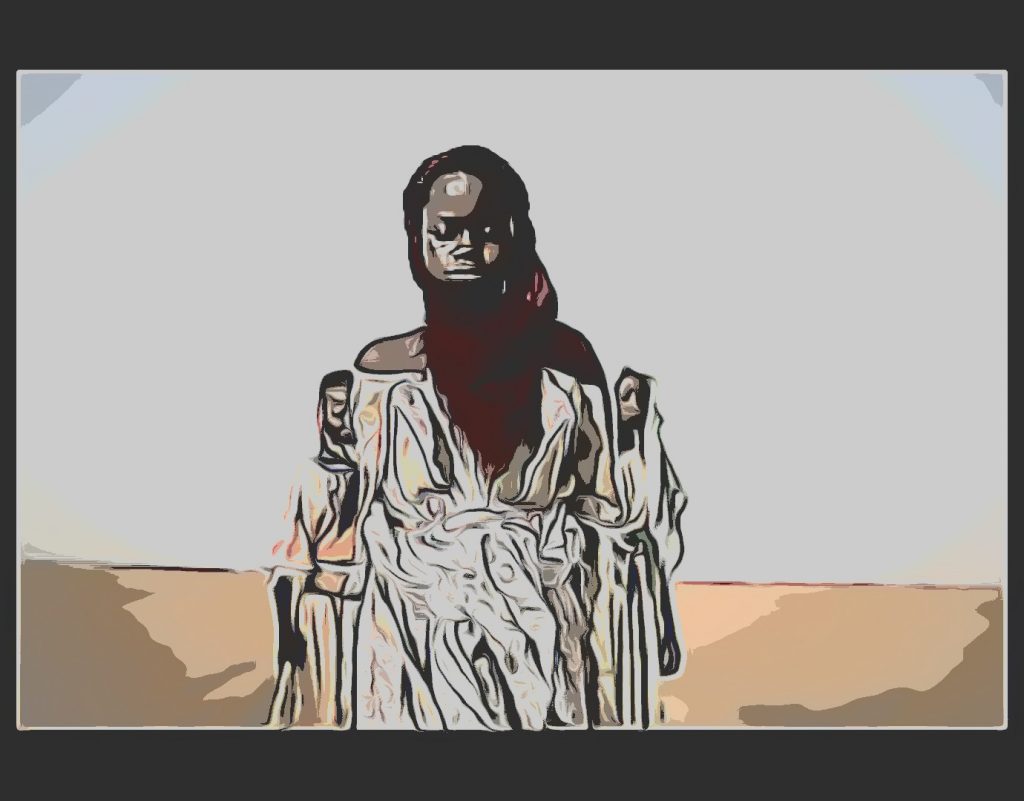
Post war effects are widely spread and include mass displacement and have long lasting effects on the region’s environment and economy. The widespread trauma and suffering of the civilian population is another legacy of the conflict, the following creates extensive emotional and psychological stress on the local communities; who are further pressured with the actual responsibility of peace and local development.
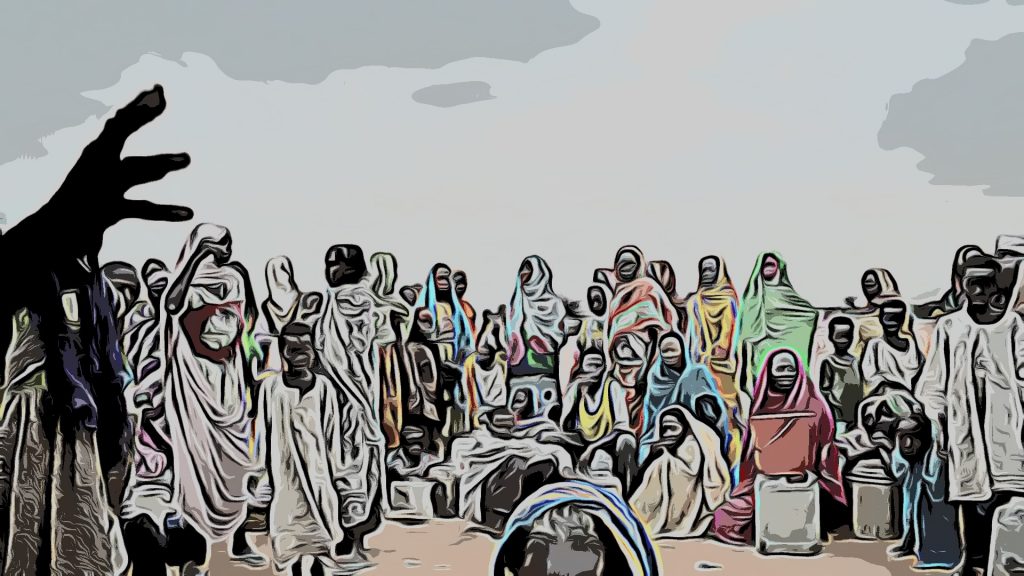
National and international NGOs in cooperation with state governments have played an important role in providing crucial humanitarian services and in establishing a good wealth of experience among the local communities, via direct and indirect employment and volunteer programs. NGOs have managed to create a lot of the local business infrastructure and a very good service network for delivering aid and humanitarian programs, but a future problem is how the local community will utilize this human resource to ensure peaceful settlement and the return of normality to the region?
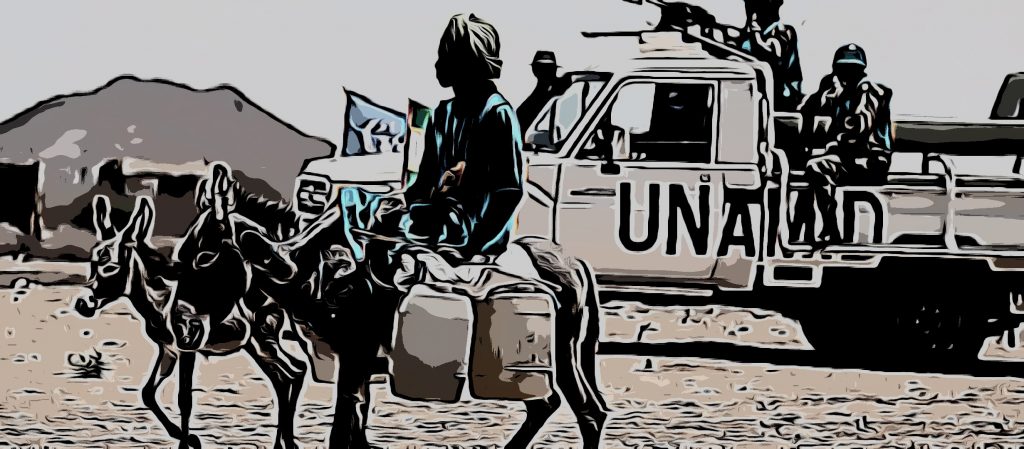
In July 2018, the UN Security Council decided to scale back the African Union/United Nations Hybrid operation in Darfur (UNAMID), with the intention of wrapping up the UN-African Union joint mission by the end of 2020. This is a troubling development despite the largely improved security situation since the height of the conflict, as a result NGOs must evolve and increase the value of their proposition to support the transition from peacekeeping to peacebuilding and development, marking the end of an era and the beginning of a new journey for the people of Darfur.
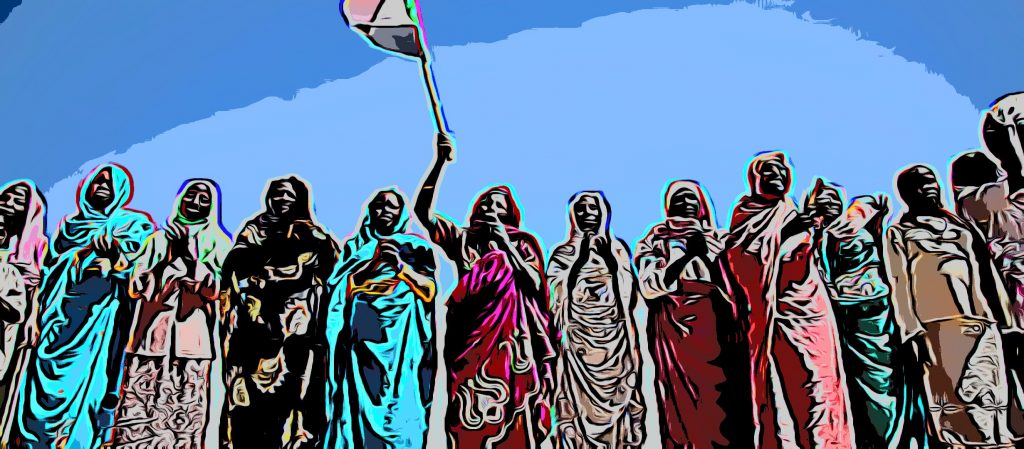
Field data has proven that the local communities in Darfur are committed to peace through structured action and methods of expression, as they have been working closely with the humanitarian effort on the implementation of the SDGs locally. Community members have always dedicated their time, energy and even technical experience to serve projects and use innovation to tackle social issues; and in just a few years their combined action, engagement and determination have all helped to show that the role of a community member can go beyond supporting performance and can play a genuine role for serving society.

If we are to sustain freedom, justice and peace in Darfur, peace has to be recognized as responsibility that begins with us keeping peace in our families, communities and nation. It is very important to locally practice and teach these ideals regardless of age, gender, ethnicity or religion.