

The Professional Gaming League (PGL) is a transformative initiative designed to foster inclusive, safe spaces for youth in Darfur, enabling them to engage in sports, leisure, and civic activities while addressing critical social challenges. Aligned with global development frameworks, this program leverages structured recreational platforms to promote empowerment, education, and cross-community cohesion.
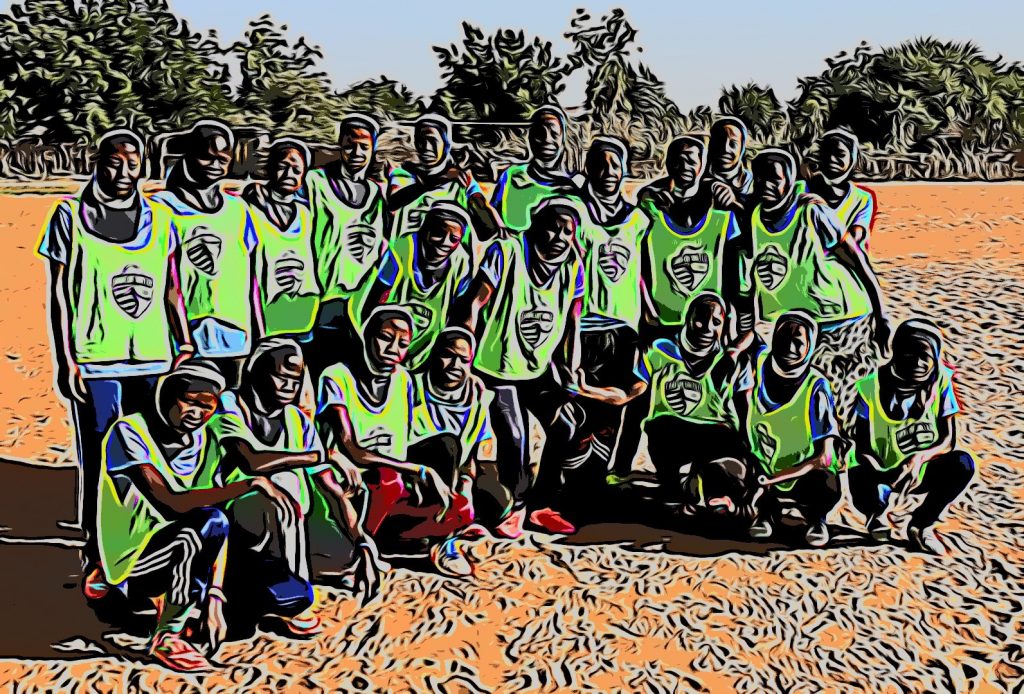
The Imperative of Safe Spaces for Youth Development
Safe spaces are foundational to youth empowerment, providing environments where young individuals can freely express themselves, participate in decision-making, and develop skills without fear of marginalization or violence. The PGL prioritizes four dimensions of safe spaces:
| Physical Spaces | Ensuring accessibility for vulnerable groups, including displaced and marginalized youth. |
| Civic Spaces | Facilitating youth engagement in governance and community dialogue. |
| Public Spaces | Facilitating youth engagement in governance and community dialogue. |
| Digital Spaces | Enabling virtual interaction and cross-border collaboration. |
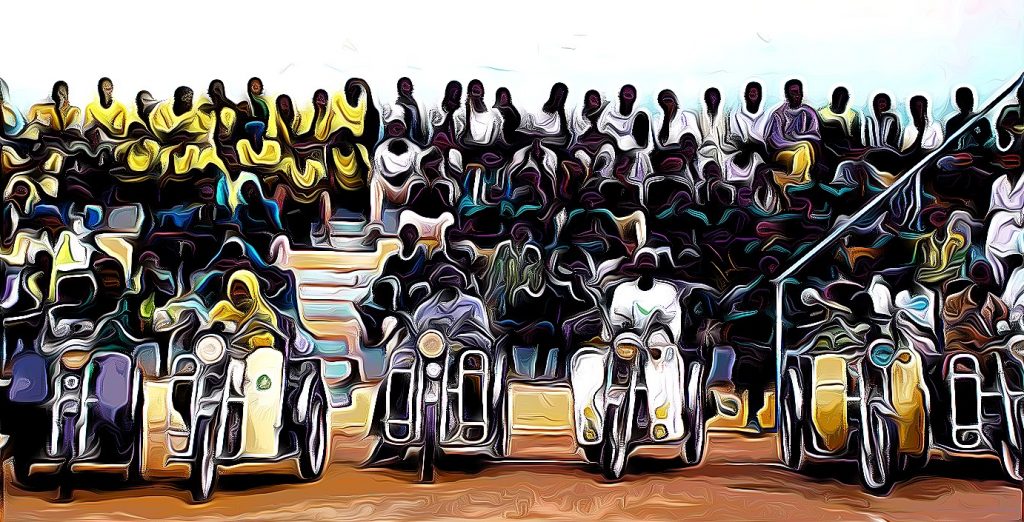
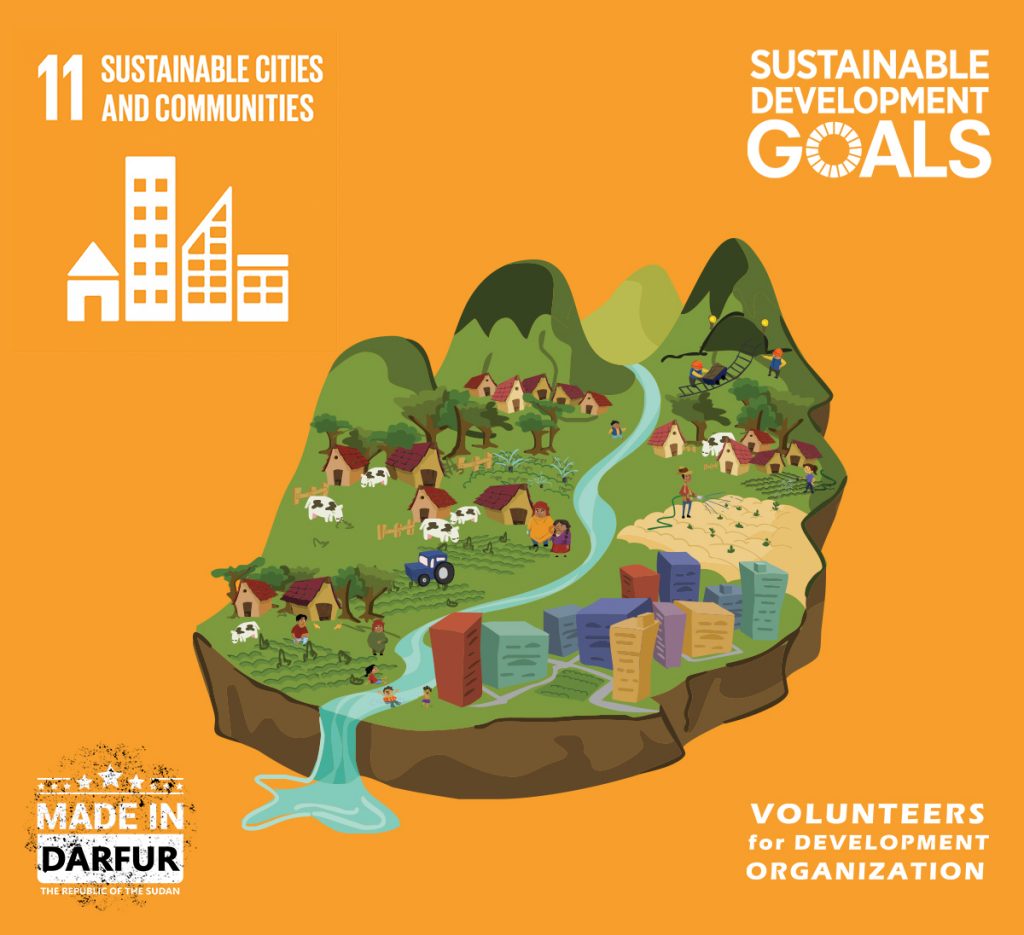
In conflict-affected regions like Darfur, such spaces are critical to counteracting fragmentation and fostering trust. The PGL adheres to the 2030 Agenda for Sustainable Development (Goal 11), the New Urban Agenda, and the UN World Programme of Action for Youth (WPAY), which collectively advocate for inclusive urbanization, inter-generational dialogue, and holistic youth development through leisure and civic participation.
Program Overview: Structure and Methodology
The PGL is an innovative awareness-building platform that combines sports, technology, and creative learning to address localized challenges. Structured as a community-driven competition, the program integrates the following components:
Core Concept: Awareness Through Gaming
- Pre-Competition Engagement: Participants receive concise awareness materials (e.g., ½-page primers) on topics such as health, peacebuilding, or entrepreneurship. These resources employ a self-learning methodology, inspired by UNDP’s Start & Manage Your Own Business model, to prepare youth for the competition.
- Screening Process: Prior to competing, participants undergo a knowledge assessment on the awareness content. This step ensures comprehension while serving as a feedback mechanism to refine messaging and align with youth perspectives.
Activity-Centric Collaboration
The PGL transcends traditional demographic categorizations (e.g., race, location) by organizing youth around shared interests and activities. This approach:
- Encourages collaboration among diverse groups, fostering social cohesion.
- Enables cross-sector partnerships with NGOs, agencies (e.g., SMoYS), and local stakeholders to deliver targeted awareness themes.
Strategic Value and Impact
The PGL addresses Darfur’s unique challenges through a dual focus on youth agency and community resilience:
- Skill Development: Equips participants with life skills, critical thinking, and leadership capabilities.
- Inclusive Participation: Prioritizes gender equity and accessibility for displaced or at-risk youth.
- Data-Driven Insights: Feedback from screenings informs adaptive programming, ensuring relevance to evolving community needs.
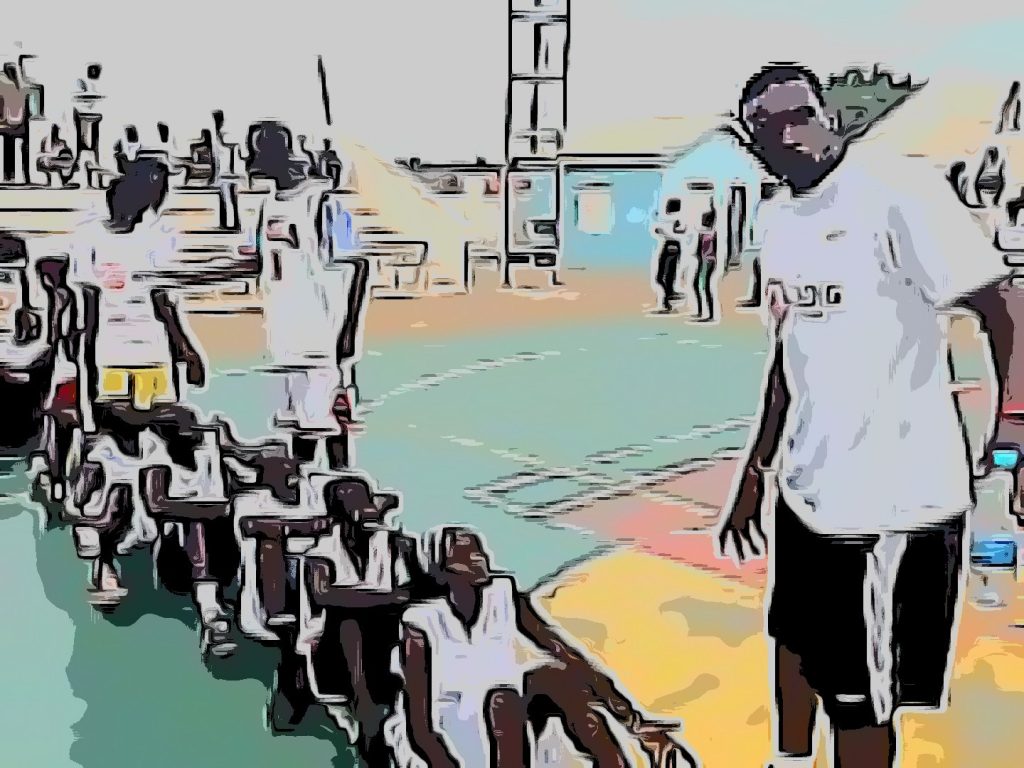
By centering on activities rather than attendance, the PGL cultivates sustained engagement, positioning youth as active contributors to peacebuilding and development.
Partnerships for Scalability
The program’s success hinges on collaboration with:
- Private Sector: Engaging tech firms to enhance digital infrastructure and outreach.
- Local Authorities: The Higher Council for Culture and Media, North Darfur, ensures cultural relevance and institutional support.
- International Organizations: Leveraging INGO frameworks and donor partnerships for resource mobilization.
Games & Activities
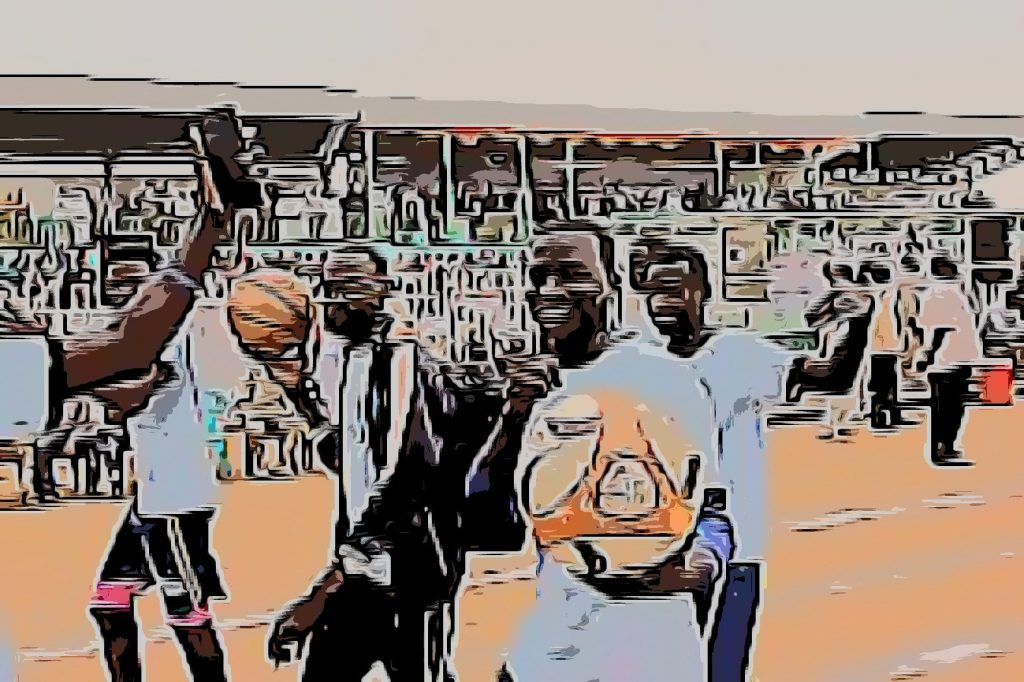
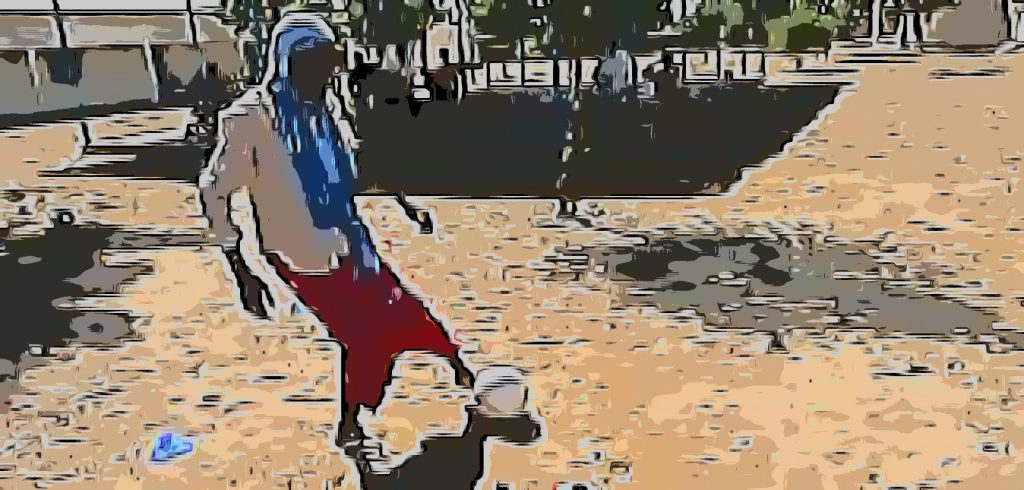
The Program can applied to all sorts of sports and games, but will focus on video games, basketball, cycling, chess and women sports and will also include activities popular sports such as football.
Conclusion: A Model for Conflict-Affected Regions
The PGL exemplifies how structured recreation and education can transform youth from passive beneficiaries into proactive change-makers. By integrating safe spaces, awareness-building, and strategic partnerships, the program not only addresses Darfur’s immediate needs but also offers a replaceable model for other regions grappling with displacement and social fragmentation.