

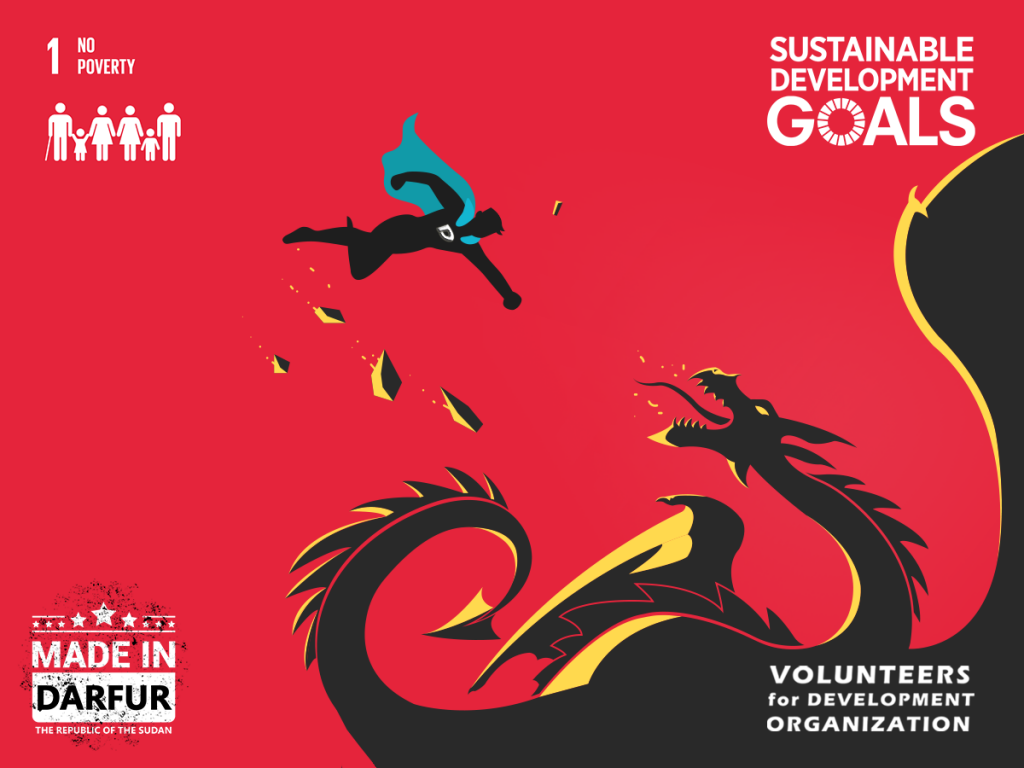
Poverty, is an imbalance between rich and poor and it’s an old and most fatal ailment. The major cause of poverty is inequality or uneven distribution of wealth and income. Poverty is a significant, systemic problem in third world countries that are trying to open up their economies to the global market.
Economically; poverty is globally defined as living on less than $ 2 a day. Locally however; it is a state where the people – especially vulnerable groups such as women, children and the youth – need protection from the inequities of the selfish and the tyranny of evil men.
Poverty has many dimensions and it comes in many forms, but its causes include unemployment, social exclusion, and high vulnerability of certain populations to disasters, diseases and other phenomena which prevent them from being productive. Growing inequality is detrimental to economic growth and undermines social cohesion, increasing political and social tensions and, in some circumstances, driving instability and conflicts.
Addressing the complex roots of poverty locally is not an easy task. It’s a puzzle that requires many approaches to solve. But this subject is unfortunately peripheral to many development conversations. Perhaps that’s because it has always been aimed, first and foremost, at global economic models to solve the problem. This focus does not usually align with the actual needs of the local communities.
Local economic development needs to reinforced with economic and social freedoms. Economic liberalization requires extending property rights to the poor, especially to land. Financial services, notably savings, need to be made accessible to the poor through technology, such as mobile banking. Aid and government support in health, education, and infrastructure helps growth by increasing human and physical capital.
The Sustainable Development Goals – starting with Goal 1 – represent a global framework that can help end poverty in all forms and dimensions by 2030. This involves targeting the most vulnerable, increasing basic resources and services, and supporting communities affected by conflict and climate-related disasters.
We can all join the fight against poverty, as individuals, companies and non-governmental organizations, as we all can collaborate to provide training, products and services to low-income people, which can be developed into targeted poverty alleviation strategies, including improving people’s nutrition, health care, education, employment and environment.